Espresso machines are the category where listed specifications are least helpful and hands-on experience matters most. A 20-bar pump sounds like a meaningful number, and it is the number buyers anchor on, but pump pressure alone tells you very little about the cup. Two machines with identical bar ratings can differ enormously in temperature stability, in how the grinder treats a dose, and in whether the machine recovers fast enough for a second shot.
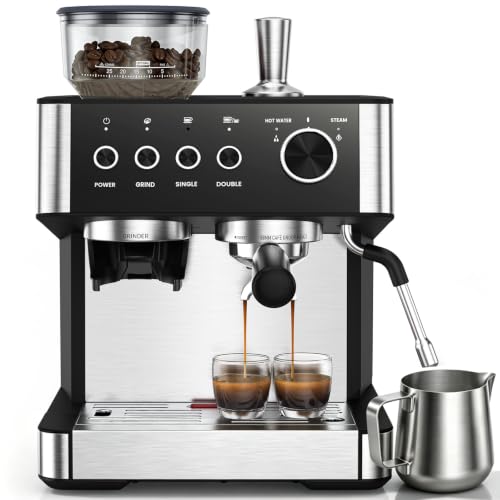
This review covers the Electactic espresso machine with grinder, built-in anti-clog 78oz removable water tank, 20-bar pump, milk frother and 1-3 cup function. It is a research-based review built from current listing data, published specifications, price history and buyer feedback signals. We have not run long-term hands-on testing on this unit, so we tell you precisely what to check in person, in the return window, before the decision is final.
Affiliate disclosure: EvalShare may earn a commission when you buy through links on this page. Product details, pricing, ratings, and availability can change, so check the retailer page before buying.
Quick Verdict
The Electactic espresso machine with grinder is a compelling value for a buyer who currently needs to buy a machine and a grinder anyway. At $239.99 with a 4.3-star rating from more than 700 reviews, it undercuts the typical bundle of a separate grinder plus machine while removing the guesswork of matching them. The 20-bar pump and built-in grinder are real features rather than filler, and the anti-clog system addresses the single most common failure complaint in home espresso machines. The honest limitation is the 1-to-3-cup restriction, which confirms this is a home machine for one drink at a time rather than a household drink station.
Decoding the Specifications
Here is how the published figures on this machine should be interpreted, because each one is more or less informative than it appears.
| Specification | Published figure | What it means in practice |
|---|---|---|
| Pump pressure | 20 bar | A respectable figure that should pull a reasonable shot, but pressure is not the variable that decides quality. Temperature stability and dose preparation matter more. |
| Built-in grinder | Integrated burr grinder | The main reason to buy this over a cheaper machine. Removes a separate purchase and a separate step. |
| Water tank | 78oz, removable | Large enough to fill the reservoir rarely. Removable from the front or top, so it can be refilled without moving the machine. |
| Anti-clog system | Built-in | Targets the most common failure mode in home espresso, where grounds block the brew path. |
| Milk frother | Automatic | Convenient for everyday lattes. Manual steam wands give more control for latte art, at the cost of a learning curve. |
| Cup capacity | 1 to 3 cups | A single drink at a time. Not a machine for serving a family simultaneously. |
Two numbers deserve a second look. The 78oz tank is genuinely useful: it means you refill roughly once a week at two drinks a day rather than every morning, and a removable tank is what makes that possible without pulling the machine forward. The 20-bar figure is the one to discount. Higher pressure is not automatically better, and real-world extraction is governed by grind consistency, dose and temperature stability across the shot. Treat bar pressure as a requirement to be met, not a quality score.
Why the Built-In Grinder Changes the Decision
For most home buyers, the reason to buy an espresso machine at all is that pre-ground supermarket coffee oxidises quickly and produces an inconsistent shot. A dedicated burr grinder is the usual recommendation, and it is the recommendation that pushes a realistic setup cost well past the price of this machine. Having the grinder integrated removes that second decision, that second purchase, and the risk of a mismatched grinder producing inconsistent particle sizes.
There is a real tradeoff, and it is worth being honest about it. Integrated grinders in this price range typically have less adjustment range than a standalone grinder, and grind retention can be higher, meaning some dose is left in the burrs between shots. If you plan to move beyond espresso into grinding for pour-over or French press, a standalone grinder is the better investment. If espresso is the only thing you will ever make, the integration is a genuine advantage.
Everyday Use Cases
The primary use is a daily single-drink routine, which the 1-to-3-cup design serves well. One shot with milk, one Americano, one small batch of two. For most people the drink is made in about a minute once the machine is warmed up, and the integrated grinder means the workflow stays simple: dose, tamp, extract, steam.
The second use is a weekend hosting scenario where you make drinks one at a time for a few people rather than serving a group simultaneously. That works, but it means the person hosting plays barista while guests wait. If you expect to serve four or more people at once, a machine with a larger brew group and a warming tray for cups is the better fit, and this one is not.
A third use is the learning case. If you want to start making espresso at home and are not yet sure whether you will stay with it, the all-in-one approach is the least risky entry point because there is nothing to add later. You can decide in a month whether to upgrade the grinder or the machine, having already learned what a good shot tastes like.
Pros and Cons
Pros
- Integrated grinder removes a second purchase and simplifies the workflow
- 20-bar pump is a solid figure for the price bracket
- 78oz removable tank means infrequent refills
- Anti-clog design targets the most common home espresso failure
- Automatic frother makes milk drinks quick and repeatable
- 4.3-star rating from more than 700 reviews is credible volume
- Currently priced $50 below the listed $289.99
Cons
- Limited to 1-3 cups, so no simultaneous serving
- Integrated grinders usually offer less adjustment than standalone units
- Automatic frother gives less control than a manual steam wand
- 20-bar marketing figure overstates its role in cup quality
- No detail on grinder adjustment steps or steam wand type in the listing
- Counter footprint grows with the integrated grinder housing
Design and Setup
Plan for a fairly large footprint. A machine with an integrated grinder is taller and deeper than a bare espresso machine, and you need clearance above the hopper to refill beans. The hopper also wants to be filled with a reasonable quantity of beans rather than a token amount, because beans sitting in a hopper for weeks lose aroma before you get to them.
Setup itself is minimal: rinse the tank, run the machine once to flush the new-machine smell out of the boiler, and grind a test dose. The part worth planning is the counter. Water tank access, bean hopper access, and drip tray removal all need clearance from the front and above, and a machine wedged into a corner is a machine you will not maintain properly. Also check the cup clearance height, which determines whether a standard mug fits under the group head without you tilting the cup, which is where a surprising number of beginners end up making a mess.
How It Compares
Compare it against three real alternatives. Against a cheaper machine plus a separate grinder, the total is often similar, so the deciding factor becomes convenience and grind consistency rather than price. Against a premium single-boiler machine, you give up temperature stability and manual control but gain an integrated grinder and a much lower price. Against a super-automatic machine, you get a similar level of daily convenience for less money, but you lose the ability to adjust dose and grind, which is exactly the part people enjoy most about making espresso at home.
Against pods, the honest comparison is cost over time plus control. This machine has a higher upfront price and requires a separate coffee purchase, but per-cup cost drops once you are buying beans in any volume and the shot becomes adjustable rather than fixed. For someone making one or two drinks a day, pods are simpler. For someone making several, and anyone who wants to change the recipe, the grinder machine is the better long-term buy.
Performance Considerations
Four things to verify in the return window, in this order. First, temperature stability: pull three shots in a row and taste whether the third is as good as the first. A machine that cools noticeably between shots will frustrate you. Second, the grinder: check whether you can adjust grind size at all, and whether the dose looks consistent between extractions. Third, steam power with milk: if you regularly make lattes, an automatic frother that struggles to texture a larger jug will be a daily irritation.
Fourth, and most useful for most buyers, check the anti-clog behaviour in practice. Buy fresh beans, grind a dose, and note how the machine behaves on the second and third shot. If grounds do not clear reliably, that is the one fault worth returning over, because it is the fault that defines how the machine feels to own. Keep the packaging and the receipt until you have run several drinks through it.
Who Should Buy It?
This machine suits buyers who drink espresso-based drinks most days, want a real hands-on espresso routine rather than a one-button drink, and would otherwise have to buy a grinder anyway. It is a strong fit for a couple or a single household where drinks are made one at a time, and for anyone who wants to learn without assembling a full café setup on day one.
Skip it if you need to serve several people at once, if you have no counter space for a tall unit with a hopper, or if the idea of buying beans and dialing in a shot sounds like friction you would rather avoid. A super-automatic machine suits the second group better, and a drip machine with a cheap grinder serves them well for a fraction of the price. If latte art is a goal rather than a side effect, look for a machine with a manual steam wand instead.
FAQ
Does 20 bar pressure make better espresso?
Not on its own. Pressure needs to be high enough to force water through a compacted coffee bed, and 20 bar comfortably meets that requirement, but the variables that actually decide cup quality are grind consistency, the dose, and how stable the temperature stays through the shot. A machine with a lower bar rating and better temperature control can produce a better espresso than a higher-rated one that swings in temperature.
Is a built-in grinder better than buying a separate one?
For espresso only, an integrated grinder is usually the better choice because it removes a second purchase and guarantees the grind is matched to the machine. Standalone grinders generally offer finer adjustment and less waste between doses, so they win if you also grind for pour-over or French press, or if you want to fine-tune. The decision really comes down to whether espresso is your only use.
Is the Electactic espresso machine with grinder worth it?
It is worth it for a daily drinker who wants a hands-on espresso routine and would need a grinder anyway, especially at $239.99 against a $289.99 list price with a 4.3-star rating from over 700 reviews. It is not worth it if you serve several people at once, if you want one-button drinks with no dialling in, or if you plan to move beyond espresso into other brew methods.
How long does the anti-clog system actually prevent clogs?
That is a question the listing does not answer, and it is the single most important thing to test during the return window. The feature is designed to address grounds blocking the brew path, which is the most common complaint in home espresso. Use fresh beans, run several consecutive shots, and confirm the machine clears reliably before you consider it settled.
Read our review standards for how we separate research-based notes from hands-on testing, and see our affiliate disclosure for how we fund this site.