Research note: This Jackery Explorer 1000 v2 review is based on the current Amazon listing, manufacturer-facing product details, buyer-facing specs, public rating signals, and EvalShare editorial analysis. It is not a hands-on lab test, and we do not claim measured runtime, charging speed, fan noise, solar input, or long-term durability here.
This Jackery Explorer 1000 v2 review looks at whether Jackery’s 1070Wh LiFePO4 portable power station is the right size for camping, road trips, RV backup, and short power outages. The headline specs are strong for the current listing price: 1500W AC output, 3000W surge peak, three AC outlets, 100W USB-C output, app-controlled charging modes, and a listed 23.8 lb weight.
Why the Jackery Explorer 1000 v2 stands out
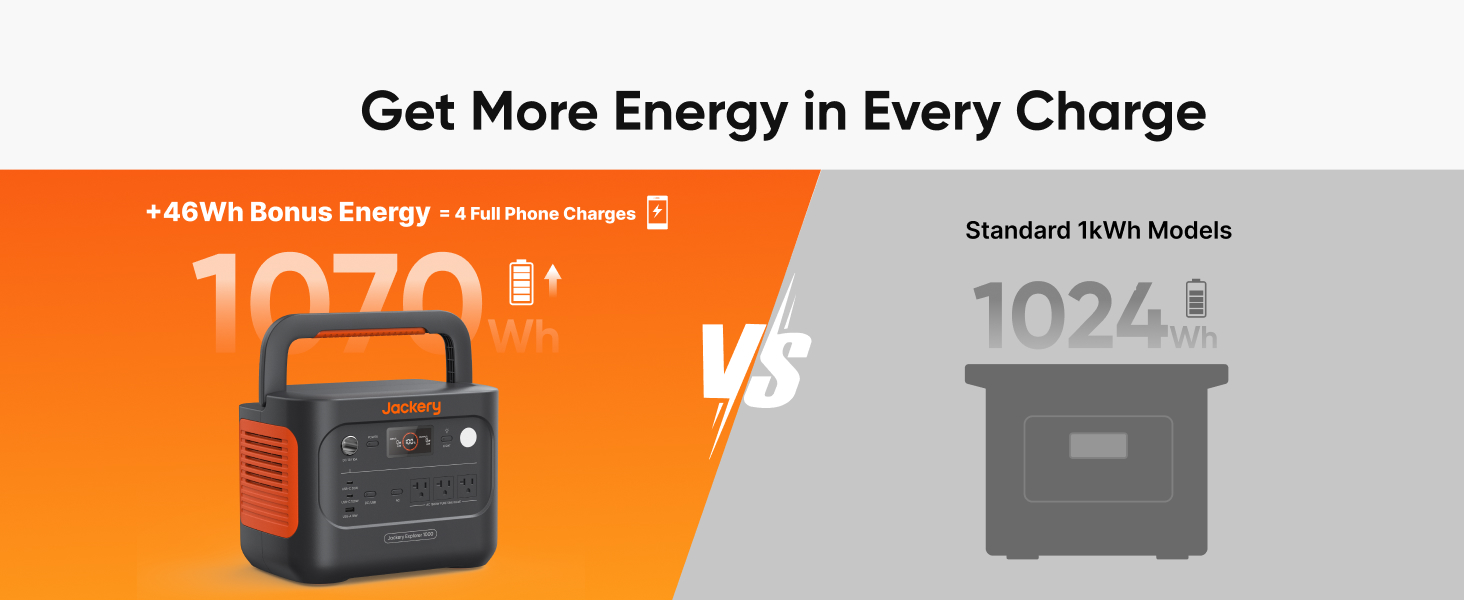
The Explorer 1000 v2 is appealing because it targets the practical middle ground. A small power bank will not run appliances, while large home backup systems can be expensive and heavy. This model gives you 1070Wh of capacity, a LiFePO4 battery, and enough AC output for many camping and emergency loads, while staying under 24 lb.

Key specs buyers should check
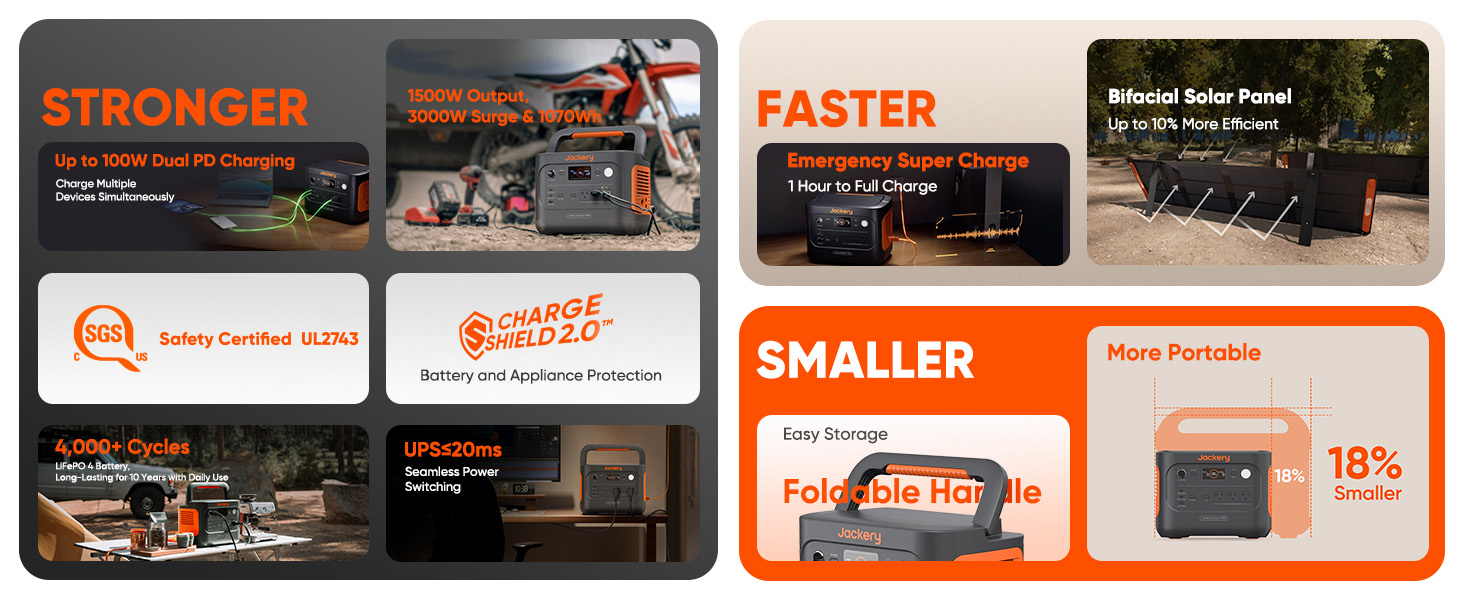
- 1070Wh capacity
- LiFePO4 battery chemistry
- 1500W AC output and 3000W surge peak
- Three pure sine wave AC ports
- One USB-A port, two USB-C ports, and one 12V car port
- USB-C2 supports up to 100W output according to the listing specs
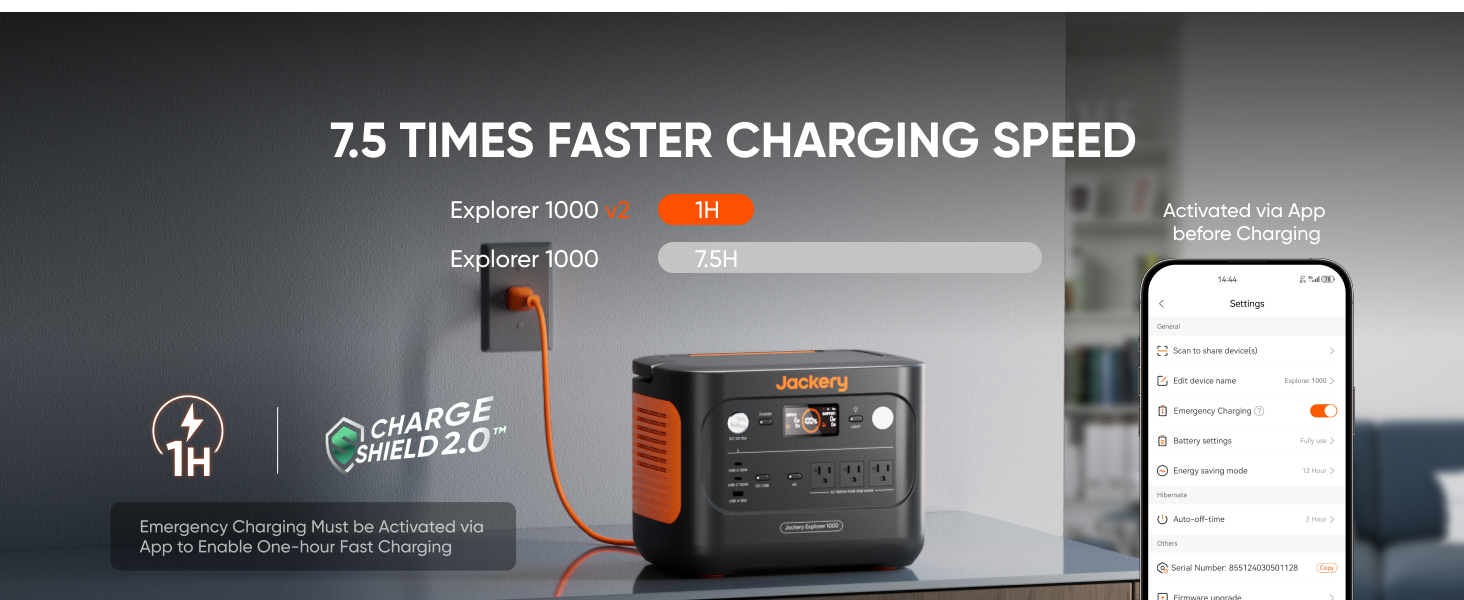
- One-hour emergency fast charging through the Jackery app, with a default 1.7-hour full-charge mode for battery health
- Listed weight around 23.8 lb and dimensions of 12.87 x 8.82 x 9.72 inches
Best use cases: camping, RV, and emergency backup
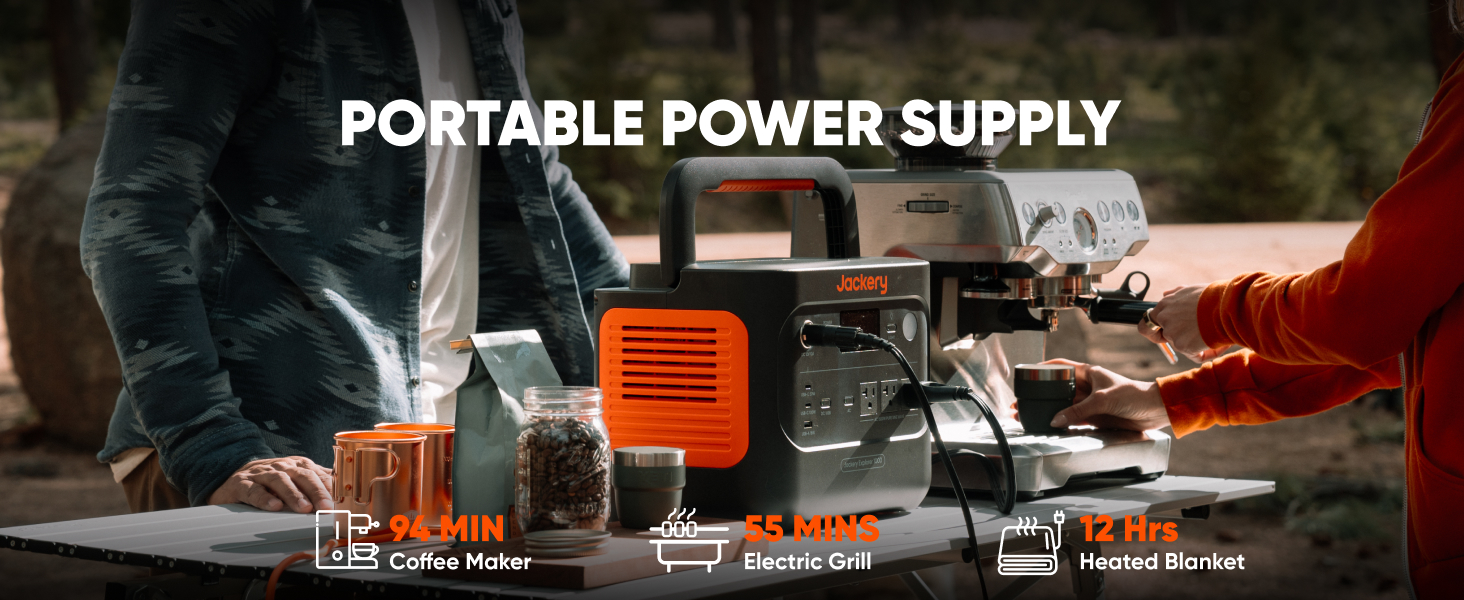
As a portable power station, the Explorer 1000 v2 makes the most sense for people who need quiet, indoor-safe backup power without gas, fumes, or engine maintenance. It is a strong candidate for weekend camping, camera gear, laptops, phones, lights, routers, CPAP-style medical devices that match the output limits, and short refrigerator backup during an outage.

If you are shopping for a solar generator for camping, pay attention to the bundle: this listing says the solar panel is optional and not included. That means the Explorer 1000 v2 can be part of a solar setup, but you should budget separately for compatible Jackery solar panels if solar charging is central to your plan.
Charging and app control
The listing highlights one-hour emergency charging from 0 to 100 percent when enabled through the Jackery app. It also notes that the default full charge mode is 1.7 hours to optimize battery health. That distinction matters: fast charging is useful before a storm or trip, but slower charging may be the better everyday habit if you care about battery longevity.
Power limits and what to verify
The key question is not just “how many watt-hours does it have?” It is whether your devices stay inside the output limit and whether the usable runtime fits your situation. The comparison table lists examples such as a 100W projector for 7.6 hours, a 330W rice cooker for 2.7 hours, and a refrigerator range from 1.7 hours maximum load to 37 hours minimum load. Treat those as listing examples, not guaranteed runtime for your specific appliance.
For buyers asking can Jackery Explorer 1000 v2 power a refrigerator, the answer is: potentially, if the refrigerator’s running and startup power stay within the unit’s limits. Refrigerator wattage varies widely, and compressor startup draw can be much higher than steady operation, so checking your appliance label is essential.
Pros and cons
Pros
- Strong 1070Wh capacity for the current $429 listing price
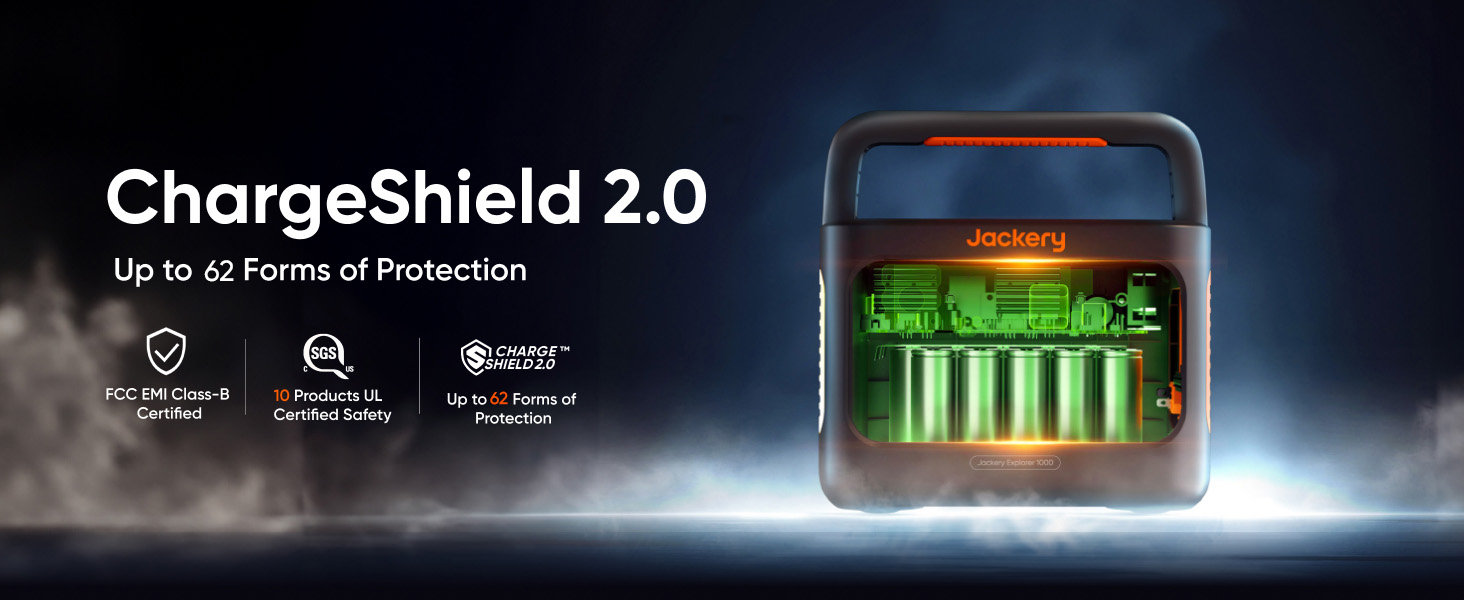
- LiFePO4 battery chemistry is a confidence point for long-term use
- 1500W AC output and 3000W surge peak support more devices than small stations
- One-hour emergency fast charge can be useful before travel or outages
- 4.7-star rating from 3,428 ratings is a strong buyer signal
Cons
- Solar panel is not included with this listing
- Runtime depends heavily on the appliance load
- Not enough capacity for whole-home backup
- Fast charging requires the app setting and may not be the ideal daily mode
- Listing research cannot replace long-term field testing
Who should buy it?
Buy it if you want a mid-size LiFePO4 power station for camping, RV weekends, emergency lighting, small appliance backup, laptops, camera gear, routers, and phones. It is also a good fit if you want a quiet alternative to a gas generator for limited indoor-safe backup needs.
Skip it if you need whole-home backup, long multi-day refrigerator runtime without solar input, 240V output, or an all-in-one bundle with panels included. For other emergency gear, compare our car jump starter and emergency power picks as well.
FAQ
Is Jackery Explorer 1000 v2 worth it?
It looks worth considering at the listed $429 price if you want 1070Wh capacity, LiFePO4 chemistry, 1500W AC output, and app-controlled charging in a portable package. The strongest buyers are campers, RV users, and households preparing for short outages.
Does Jackery Explorer 1000 v2 include solar panels?
No. The listing says solar panel optional and not included. If you want a full solar generator kit, check whether the retailer offers a bundle with compatible Jackery panels.
How long does Jackery Explorer 1000 v2 last?
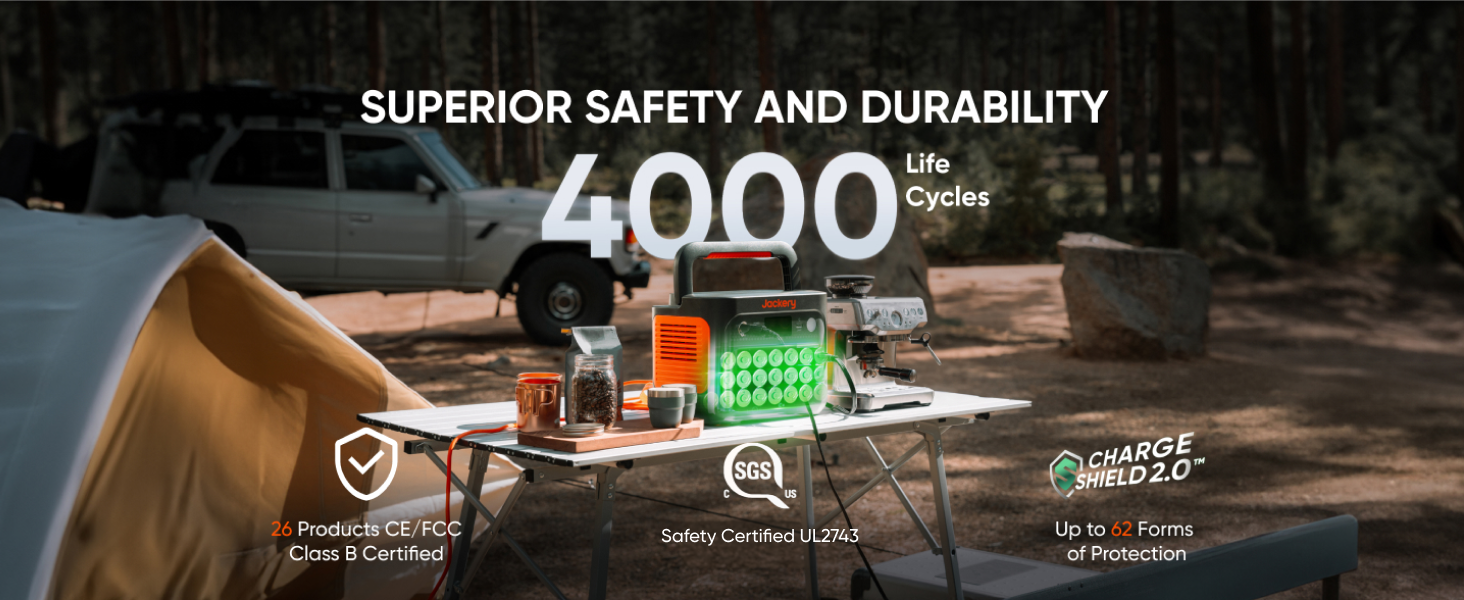
The listing claims the LiFePO4 battery can maintain over 70 percent of original capacity after 4,000 charge cycles. Device runtime depends on the load. A 100W device will last much longer than a heater, microwave, or high-draw appliance.
Can Jackery Explorer 1000 v2 power a refrigerator?
It may power many refrigerators, but you need to check your refrigerator’s running wattage and startup surge. The Amazon comparison table gives refrigerator examples, but real runtime depends on your appliance, ambient temperature, door openings, and duty cycle.
For more context on how EvalShare separates research-based buying notes from hands-on testing, see our Review Standards, Editorial Policy, Authors & Reviewers, and Affiliate Disclosure.